Graphic design trends in 2026: Technology, consumer preferences, cultural shifts.
1. AI-Generated Art and Design
Enhanced Creativity: AI tools are increasingly being used to generate artwork, design elements, and layouts. Expect to see more experimentation with AI-generated visuals, offering new forms of creativity and innovation.
Personalized Design: AI can help create highly personalized designs based on user data and preferences, enhancing user engagement and relevance.
2. Immersive 3D Design
Realistic 3D Elements: The use of 3D graphics continues to grow, providing a more immersive and realistic experience. This includes everything from product visualizations to intricate 3D illustrations.
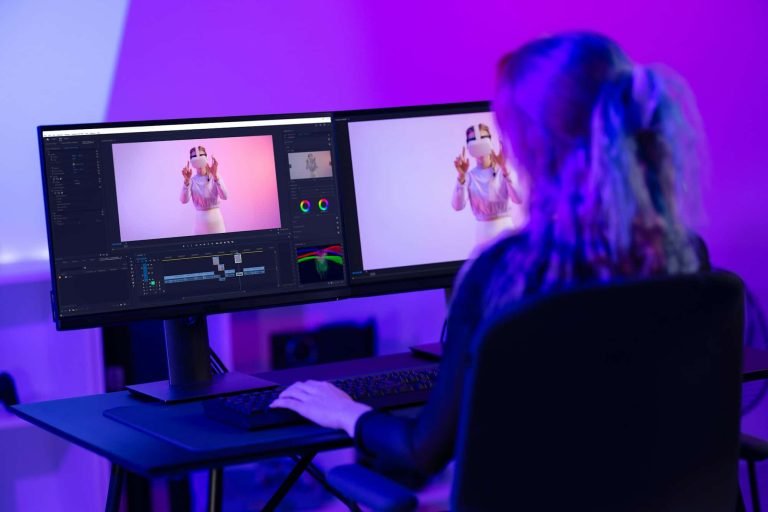
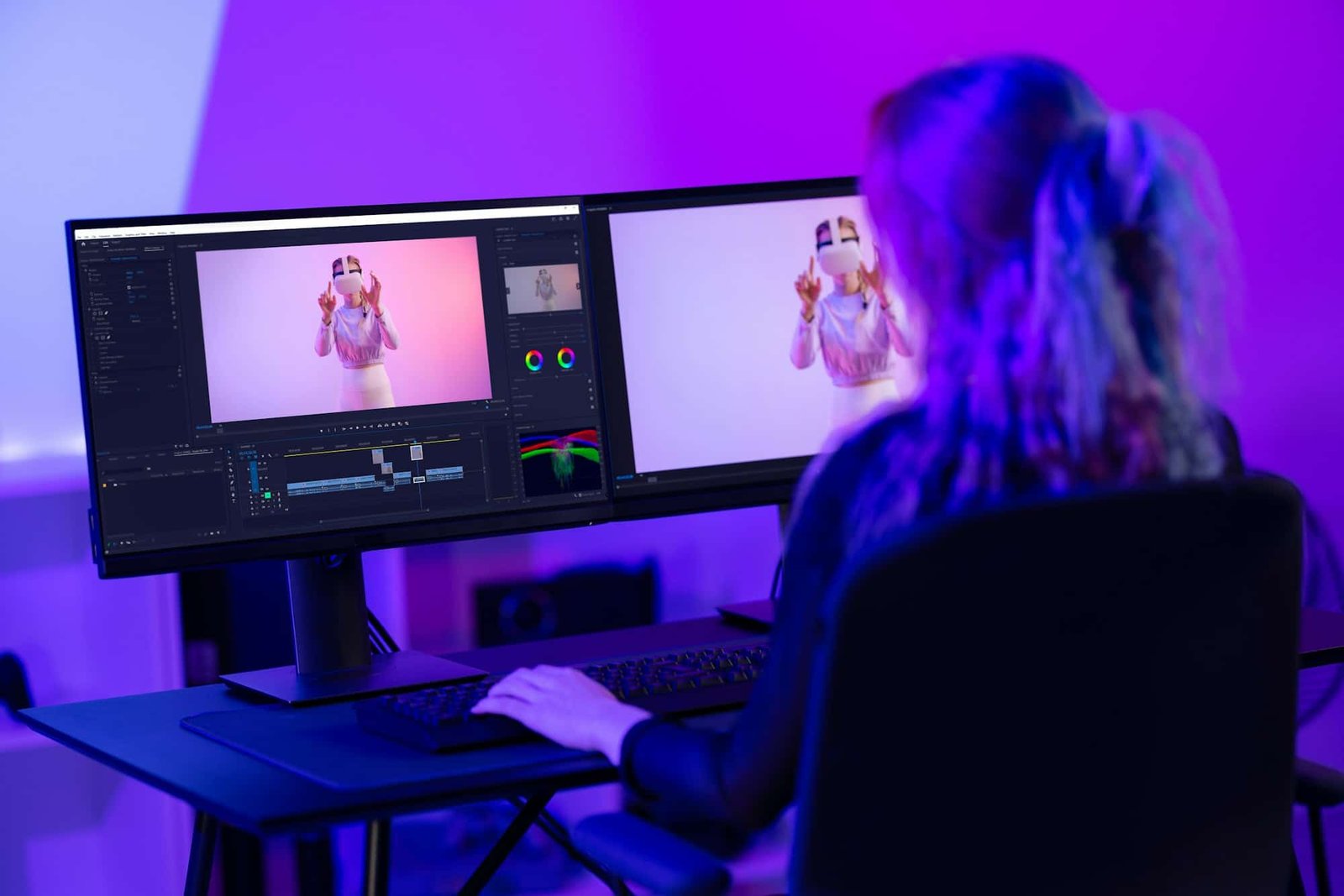
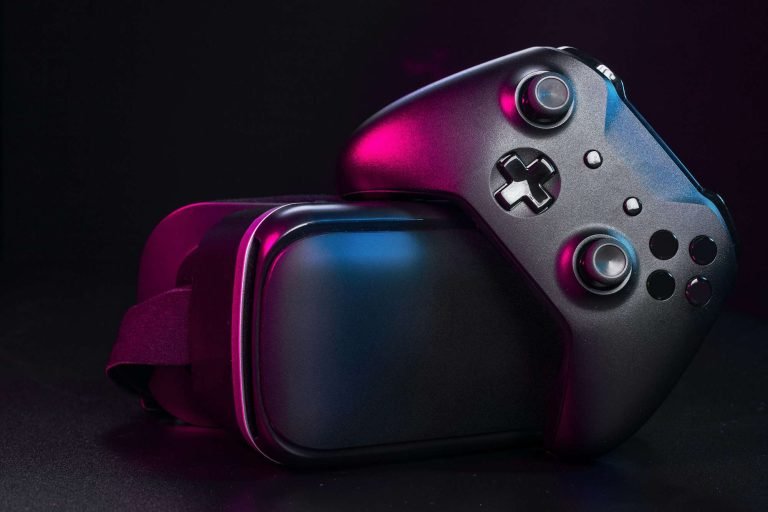
Virtual Reality Integration: As VR technology becomes more accessible, integrating VR elements into graphic design can offer unique, interactive experiences.
3. Bold Typography
Experimental Fonts: Designers are pushing the boundaries with experimental and custom typography. Expect to see more use of oversized, bold, and abstract fonts that grab attention and convey strong visual messages.
Dynamic Text Layouts: Typography is being used in more dynamic ways, with text layouts that interact with other design elements, creating a more engaging visual experience.
4. Retro Futurism
Nostalgic Meets Futuristic: Retro futurism blends nostalgic design elements from the past with futuristic concepts, creating a unique aesthetic that feels both familiar and innovative.
Vibrant Color Palettes: Expect vibrant, neon color schemes and retro-inspired graphics that evoke a sense of nostalgia while embracing modern design principles.
5. Sustainable Design
Eco-Friendly Aesthetics: As sustainability becomes a critical focus, graphic design is increasingly reflecting eco-friendly practices. This includes the use of natural textures, earthy color palettes, and designs that promote environmental consciousness.
Minimalist Packaging: Designs that reduce waste and use sustainable materials are becoming more prevalent in packaging and branding.
6. Abstract and Fluid Shapes
Organic Forms: Abstract and fluid shapes that mimic natural forms are trending. These designs often feature smooth, flowing lines and asymmetrical patterns that create a sense of movement and dynamism.
Blending and Gradients: Gradients and blended colors are used to create depth and texture, adding a sense of fluidity and complexity to designs.
7. Inclusive and Diverse Design
Representation and Diversity: There is a growing emphasis on inclusive design that represents diverse cultures, identities, and experiences. Expect to see more varied and authentic representations in imagery and design elements.
Accessible Design: Design practices that prioritize accessibility, such as high-contrast color schemes and clear, readable typography, are becoming standard to ensure inclusivity for all users.
8. Neumorphism
Soft UI Design: Neumorphism (or “new skeuomorphism”) continues to evolve, characterized by soft, inset designs and subtle shadows that create a more tactile, three-dimensional look.
Interactive Elements: This trend often incorporates interactive elements that respond to user actions, providing a more engaging and intuitive experience.
9. Minimalist Maximalism
Simplified Complexity: Combining minimalist principles with elements of maximalism, this trend focuses on clean, simple layouts with occasional bursts of complex, intricate details or patterns.
Contrasting Elements: Expect to see designs that balance minimalism with rich textures or bold graphics for a visually striking effect.
10. Motion Graphics and Micro-Interactions
Animated Elements: Motion graphics and micro-interactions are becoming more prevalent, adding a dynamic and engaging layer to web and app designs.
Enhanced User Experience: Subtle animations and interactive elements help guide users and provide feedback, enhancing overall user experience.
11. Hand-Drawn and Illustrative Styles
Authenticity and Personality: Hand-drawn illustrations and custom graphics are used to add a personal, authentic touch to designs, setting brands apart from more generic digital aesthetics.
Unique Visual Narratives: Illustrative styles allow for creative storytelling and unique visual narratives that resonate with audiences on a personal level.
12. Augmented Reality (AR) Integration
Interactive Experiences: AR is being increasingly integrated into graphic design, offering interactive and immersive experiences that blend the digital and physical worlds.
Enhanced Engagement: AR can enhance user engagement through interactive product previews, virtual try-ons, and other innovative applications.
13. Color Trends
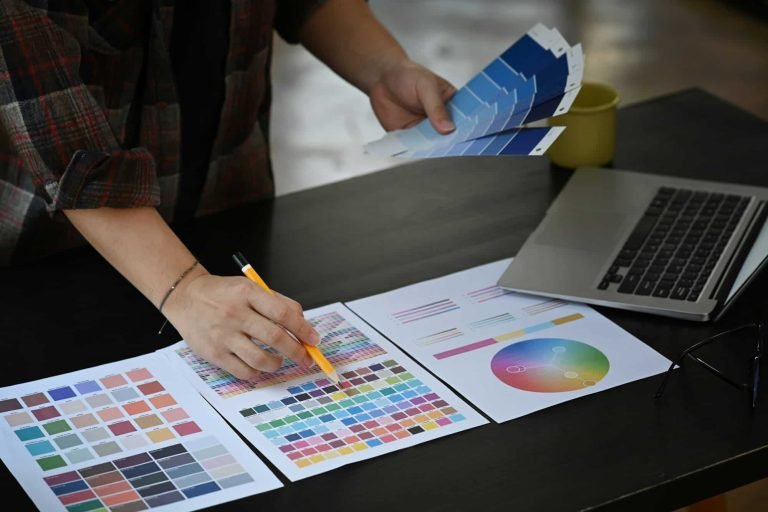
Bold and Vibrant Colors: Expect a continued emphasis on bold, vibrant colors that stand out and create a strong visual impact.
Earth Tones and Pastels: Alongside bold colors, there’s also a trend toward soothing earth tones and pastel colors that evoke calmness and simplicity.
14. Typography as Art
Typographic Experiments: Typography is being used as a primary visual element, with experimental type treatments that function as both text and art.
Interactive Typography: Integrating typographic elements that react to user interaction or adapt to different contexts can create more engaging and dynamic experiences.
By staying abreast of these trends, designers can create modern, visually appealing work that resonates with current audiences and leverages new technologies and design principles.